
Coffee with Esther (January 2026)
Virtual Coffee Breaks, Christmas Chats, and Why “I’ve Been Thinking…” Is Never Good News
I hope you all had a good Christmas and that you’ve now settled back into normal life after the New Year celebrations. The decorations have been packed away (some more reluctantly than others), the chocolates have mysteriously disappeared, and January has arrived with its usual mix of good intentions and cold weather.
A Christmas Virtual Coffee Break to Remember
Our Virtual Coffee Break session on the evening of 23rd December was an absolutely fabulous one. Alongside our usual friendly faces, we were joined by new people and some family members, which made the session feel extra special.
It was genuinely lovely to see family supporting people living with Myelopathy. Myelopathy doesn’t just affect one person; it becomes a team effort, and it was heart-warming to see that support in action.
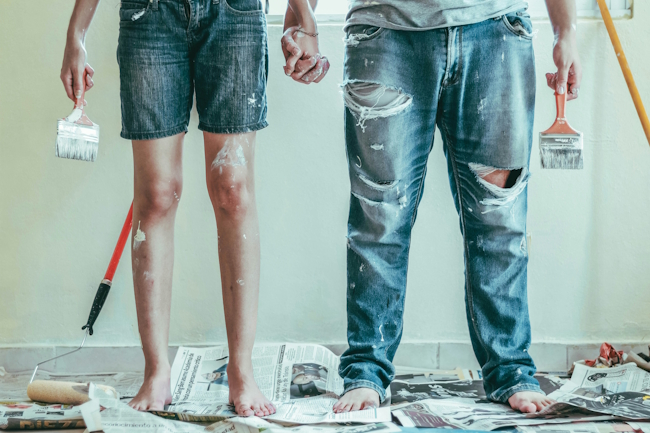
It was also reassuring to discover that I’m not the only wife who starts conversations with, “I’ve been thinking… and I think…”. My husband immediately rolls his eyes when I say this, because experience has taught him that it usually means more DIY. Judging by the laughter and knowing nods on the call, several partners around the country felt very seen in that moment.
As many of you know, I’m always looking for ways to stay independent and, if possible, find gadgets or clever adaptations that help me continue doing the things I love.
Naturally, we ended up talking about DIY. Of course we did. I had a full hour of my husband’s attention, so it would have been rude not to.
This sparked a bigger question: are there gadgets out there that could help people with Myelopathy continue doing DIY or basic home maintenance?
From there, the conversation grew into something much bigger. We started talking about hobbies, specifically the ones people quietly give up because they assume they’re no longer an option. I’ve written before about daily living gadgets and hobbies like gardening or crafts, but this conversation pushed my curiosity further.
I’ve never been a big fan of active sports, but all this talk definitely got my investigation cells firing. So over the Christmas period, while others were perfecting turkey sandwiches, I was researching gadgets and adaptations that might make certain activities more accessible.
Now, just to be clear, I am not endorsing any of these items, and it’s always your responsibility to make sure anything you try is suitable for your own abilities and limits. That said, if you find something that lets you do something you once thought you’d lost forever, that is truly worth its weight in gold, for independence and for mental health.
Here are some of the things I came across.
DIY and Practical Gadgets
Each item on this list focuses on improving grip, control, or comfort, ideal for anyone who wants to get jobs done with less strain and more confidence.
- Hammer Fist, a 7-in-1 multi-tool that allows you to hammer without holding a traditional hammer, plus handle several other jobs. Available in the UK and USA.
- Foldable crawler seat with height adjustment, ideal if crouching or kneeling feels like an extreme sport. Useful for DIY, mechanics, or general household tasks.
- Nimble One cutting tool, perfect for opening boxes and packaging without the usual wrestling match.
- T-handle magnetic screwdriver ratchet set, makes screwing far easier if hand strength is limited.
- General purpose gripping aids, suitable for many hobbies and sports. The Velcro helps keep your hand securely in place, excellent gripping solutions for tools such as saws and hammers.
- Cat Tongue tape, can be stuck to almost anything to improve grip. Great for spray cans, cups, or tools. Cut to size and stick, that simple.
Hobbies, Games, and Getting Back Involved
From sports to gaming, these aids reduce reliance on grip strength and hand fatigue, making it easier to participate, enjoy, and keep connected.
- Gaming controller grips and adaptive controllers, so you can still join family and friends for game nights.
- Card holders, perfect if you love a card game but not the hand cramps.
- Fishing: the “Strong Arm 2” fishing aid, a hands-free rod holder that allows casting without finger strength.
- Golf adaptations, including the “swing-less golf club”, teeing aids, and ball collection devices. With an electric buggy, even 18 holes could be back on the table.
- Gym aids, particularly multi-purpose grip aids for weights and rowing machines.
- Kayaking adaptations, specialist aids that allow paddle control without relying on grip strength.
- Magnetic buckles, ideal for bags carrying equipment, making fastening quick and frustration-free.
Getting Outdoors, Walking, Running, and Moving Your Way
Walking and running came up too, and this is one area where it’s worth remembering that support comes at many levels, and using it isn’t a failure, it’s a strategy.
For some people, minimal support tools such as shoe inserts, orthotics, or simply the right footwear can make a surprising difference. Others may benefit from low-level assistive devices like canes or trekking poles, which add stability without taking away independence.

If more support is needed, moderate-level devices such as crutches they can help keep you moving while helping with balance, relieving pain and reducing fatigue.
At a higher level, walkers, rollator and gait trainers offer confidence and safety, while maximum-level support like wheelchairs or powerchairs can open the door to longer days out and more energy for the things you actually enjoy. There are also newer options that provide rotational adjust and lift or climb support, designed to reduce pain and enhance movement, and they’re not just clever engineering, they can be game changers for walking more comfortably.
However you move, the goal is the same: getting you where you want to go with less pain, more confidence, and more independence.
A New Year’s Resolution Worth Keeping
If you’re thinking about a New Year’s resolution, how about this one: research how you might return to doing something you loved before you thought it was no longer possible.
My top advice is to research thoroughly, ask questions, and make sure anything you try is right for you.
As for me, I’ve set my own New Year’s resolution. I’m going to a pottery studio and, with guidance, I’m going to try throwing a pot. Realistically, by the time I’ve tried to pick it up, it may resemble a soap dish, but I’m determined to give it a go.
Because sometimes, trying is the biggest achievement of all.
Join Us for the Next Virtual Coffee Break
If this blog has reminded you how powerful a good chat can be, why not join us for the next Virtual Coffee Break? They’re relaxed, friendly, full of laughter, shared experiences, and the occasional accidental DIY planning session.
Whether you want to listen, talk, or just enjoy a cuppa with people who truly understand, you’ll be very welcome. Keep an eye on Myelopathy.org Facebook page for dates and details. We’d love to see you there.
And who knows? You might even leave with a new idea. Or a partner nervously awaiting their next DIY task.
I hope to see you soon,
Esther