
Coffee with Esther (February 2025)
Blue Badge Made Easy: Cracking the Code for Myelopathy Mobility
Living with a condition like myelopathy can present significant challenges, particularly when it comes to mobility. Whether caused by spinal cord compression, degeneration, or injury, myelopathy often results in pain, fatigue, and difficulty walking. The Blue Badge scheme is designed to assist people with disabilities by providing closer access to amenities and parking spaces, easing the burden of daily travel.
If you or someone you know has myelopathy and needs a Blue Badge, this blog outlines the process under the updated rules and offers helpful tips to navigate the application smoothly.
Understanding the Blue Badge Scheme
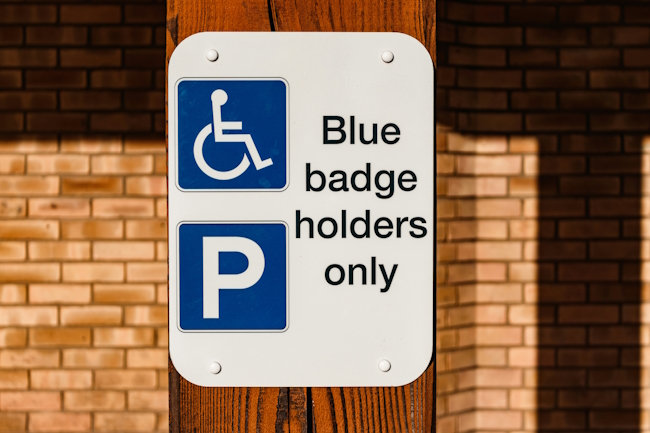
The Blue Badge is a UK government-issued permit that allows individuals with disabilities to park in designated areas closer to their destinations. While the rules vary slightly between regions in the UK, the scheme is aimed at ensuring those with mobility issues can maintain independence and access essential services.
Eligibility for a Blue Badge with Myelopathy
The rules for applying for a Blue Badge have evolved in recent years, particularly to broaden accessibility for individuals with less visible disabilities. If you have myelopathy, your eligibility is determined by how the condition affects your ability to walk or perform daily activities.
Key considerations include:
- Walking Distance: Difficulty walking a distance of more than 50 meters without severe discomfort, pain, or fatigue.
- Mobility Issues: Limited mobility caused by symptoms such as weakness, numbness, or coordination problems due to spinal cord compression.
- Safety Concerns: Risk of falls or injury due to instability.
- Invisible Disabilities: If your myelopathy causes debilitating symptoms not immediately visible, such as chronic pain or severe fatigue, these may also be considered.
Steps to Apply for a Blue Badge
Step 1: Gather Required Documentation
To apply, you’ll need to provide evidence of how myelopathy affects your mobility. This includes:
- A letter or report from your GP or specialist confirming your diagnosis.
- Details about your symptoms and their impact on your daily life.
- Evidence of any treatments, therapies, or assistive devices you use.
- Medical records, such as MRI or CT scan results, that confirm your condition.
Step 2: Complete the Application
Applications are made through your local council’s website. You’ll need to:
- Complete the online form or request a paper form.
- Answer questions about your mobility and daily activities, focusing on how myelopathy impacts you.
- Attach all supporting documents.
Step 3: Attend an Assessment (if required)
In some cases, you may be asked to attend a mobility assessment. A healthcare professional will evaluate your ability to walk, balance, and manage daily activities to determine your eligibility.
Remember to bring the fact sheet with you because there’s a good chance they’ve never of heard of myelopathy, which is an incomplete spinal cord injury.
Step 4: Await Approval
Once submitted, applications are reviewed by your local council. Processing times vary, but you can expect a decision within 6-12 weeks.
Tips for a Successful Application
- Be Detailed: Provide as much information as possible about how myelopathy affects your life. Use specific examples of struggles with mobility, fatigue, or coordination. You need the car door to open wide so you can get out of the car.
- Highlight Safety Risks: Explain any risks you face, such as falling or being unable to navigate unfamiliar areas safely.
- Seek Medical Support: Ask your GP or specialist to write a detailed letter supporting your application.
- Prepare for the Assessment: If required, bring assistive devices you use (e.g., a walking stick or brace) and be honest about your limitations.
What to Do If Your Application Is Denied
If your application is unsuccessful:
- Request Feedback: Ask the council to explain their decision.
- Appeal the Decision: Many councils offer an appeal process. Provide additional evidence or clarification as needed.
- Seek Advocacy Support: Disability support organisations, such as Citizens Advice, can help you strengthen your case.
The Impact of a Blue Badge
For individuals with myelopathy, a Blue Badge can make an immense difference in maintaining independence and quality of life. With closer parking and better access to amenities, everyday tasks become more manageable.
By following these steps and providing detailed evidence, you can improve your chances of securing a Blue Badge and regaining some of the mobility and freedom that myelopathy may have taken away.
For further guidance, if you’re in England or Wales visit the official Blue Badge application page or consult your local council rules.
Esther